GLDMA is a professional company in the production and Research&Development of metal bending machine, cutting machines, Hydraulic press machine, mechanical press machine, rolling machine, ETC. Relying on the integrity management, strong credit, and strict quality control, our company has grown and developed into a famous and powerful company in very short time. Company product range covers more than 20 series, over 200 types of small, medium, and big sizes of press brake, CNC shearing machine, CNC hydro-servo bending machine, mechanical press machine, Ironworker machine, hydraulic press machine, rolling machine including models of QC11Y, QC12Y, \WC67Y, WC67K, W11, W11S, W12, J21, J23, Q35Y, etc. All those machines are widely used in manufacturing automobile, telecom tower, light pole, utensils, computer, ETC. Company development strategy in the field of metal sheet processing industry, always following the market trend to meet the demand of clients, Always pay attention on the long term cooperation with client, Always keep the advantages of core competition in technology, service and management, Always respect our contract and keep our promise. To all clients: Your strict requirements of quality is the driving force of our effort. May our products and service bring you the joys of success. If you need a reliable laser cutting machine manufacturer, then you are at the right place, next I will introduce the powerful laser cutting machine manufacturer in China, GLDMA Group.
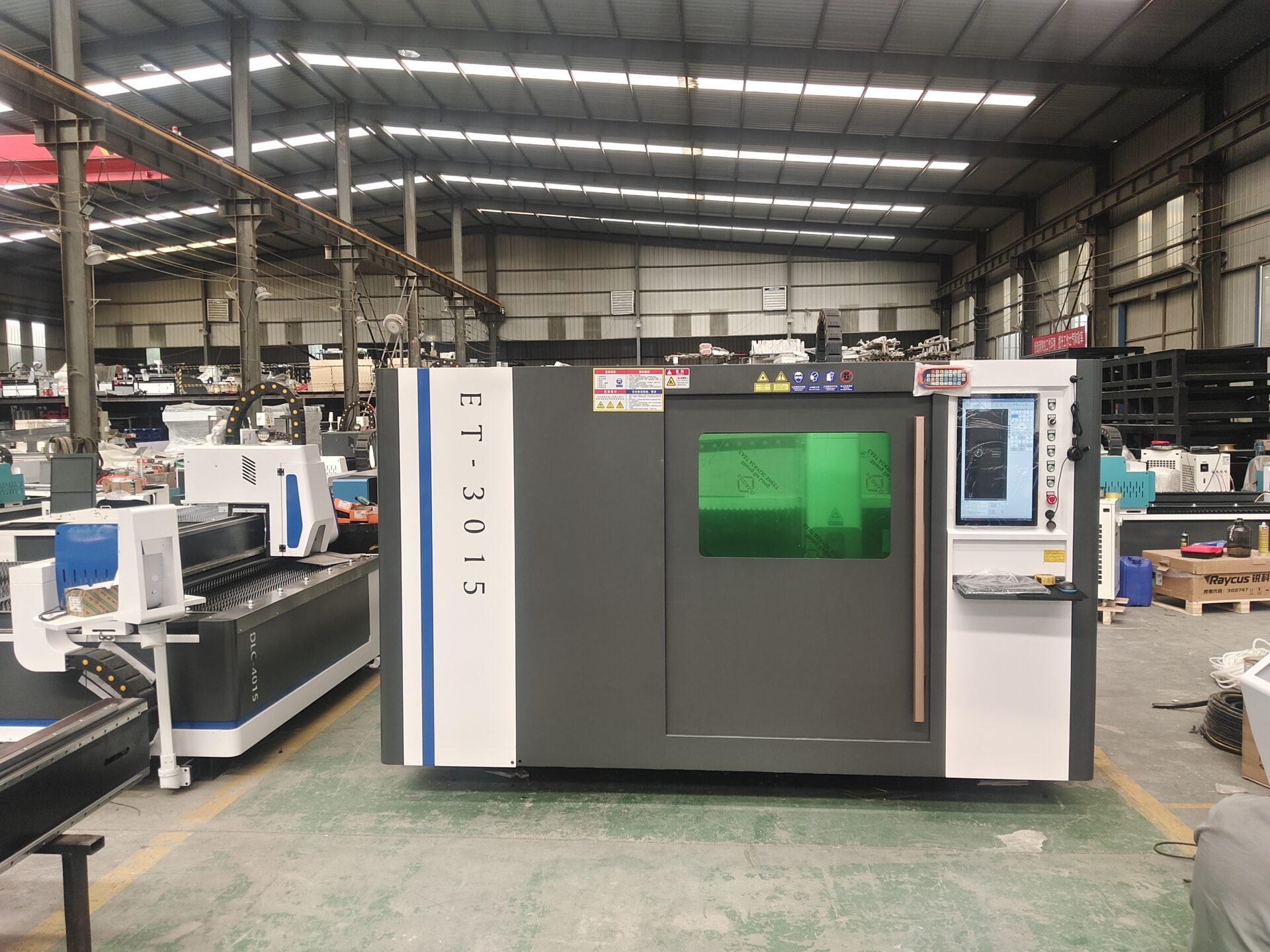
In the realm of modern industrial manufacturing, laser cutting technology has emerged as a powerful and revolutionary non-contact thermal processing technique. It has truly become an indispensable cornerstone, with its ability to utilize high-power-density laser beams to precisely melt, vaporize, ablate, or even ignite materials. The addition of high-speed airflow to whisk away the molten matter further enables the clean and accurate cutting of workpieces. However, as with any technological marvel, it is not without its drawbacks and limitations. The laser cutting machine, while a boon to productivity, can unfortunately have side effects on the human body. Therefore, understanding the side effects of laser cutting machines is essential. It is of the utmost importance that we delve deep into these side effects and take all necessary measures to ensure the safe and efficient use of this technology in the industrial landscape.
Basics of Laser Cutting
Laser cutting is a fascinating process that involves bombarding the workpiece with a highly concentrated laser beam of significant power density. This intense beam causes the material to rapidly undergo a series of transformations, melting it into a liquid state, vaporizing it into a gaseous form, ablating it away, or reaching the critical ignition point. Simultaneously, a precisely aligned high-speed flow of gas sweeps away the molten material, thereby achieving the clean and precise cutting of the workpiece. This remarkable technology has the versatility to cut through almost any material imaginable, be it two-dimensional or three-dimensional thin metals. The underlying working principle is a complex interplay of various elements, including the powerful electric and magnetic fields within the laser beam, the thermochemical reactions that occur as the material is heated and transformed, the fluid dynamics of the gas flow, and the constantly changing aerodynamics within the cutting zone. It is truly a marvel of modern engineering. The history of the laser cutting machine is a journey that dates to 1964, a time when the brilliant electrical engineer Kumar Patel made a groundbreaking discovery at Bell Labs in New Jersey. He invented the gas laser cutting process using a carbon dioxide mixture, a feat that would change the face of manufacturing forever. Since then, this technology has taken root and flourished in China. In 1976, a remarkable achievement was made when the CO2 laser cutting machine, jointly developed by the esteemed Changchun Institute of Optics and Mechanics of the Chinese Academy of Sciences and the Changchun First Automobile Manufacturing Plant Car Branch, along with other collaborating units, successfully cut the cover parts of the iconic “Hongqi” car. This was a momentous occasion that signaled the growing prowess of laser cutting technology in the automotive industry. Today, fiber lasers have emerged as the dominant force in cutting applications, and the average installed power in the market continues to soar year after year, a testament to the continuous evolution and improvement of this technology. The world of lasers offers several main types, each with its own unique set of characteristics and applications. The CO2 laser, with its remarkable efficiency and long lifespan, has found widespread use in industry, especially when it comes to high-speed cutting operations. It has proven to be a dependable workhorse in many manufacturing processes. On the other hand, the Nd:YAG laser is the choice of discerning high-end users, thanks to its outstanding beam quality and superior cutting efficiency. This laser is often favored for applications that demand the utmost precision. When it comes to selecting the right laser for a particular task, users must carefully consider the actual application requirements and the properties of the material to be cut. It is a decision that can impact the quality and efficiency of the cutting process.
Applications of Laser Cutting
Automobile Manufacturing Industry: The automobile manufacturing industry has wholeheartedly embraced laser cutting machines, and for good reason. These machines have become an essential part of the production process, being used to intricately process various components such as car doors, exhaust pipes, and many others. The traditional methods of manual or conventional processing often struggle to achieve the level of precision and efficiency required for these parts, which are often left with unsightly and unwanted edges or burrs. Laser cutting, however, swoops in like a hero, capable of handling even the smallest and narrowest of material areas with ease. It not only significantly reduces the amount of heat generated during the cutting process but also minimizes material waste, leading to a remarkable improvement in the precision and overall efficiency of automobile components. This means that cars can be built with greater accuracy and quality, ensuring a smoother and safer driving experience for consumers.
Aerospace Industry: In the highly demanding and safety-critical aerospace industry, laser cutting technology has found its rightful place. It is applied with great care and precision in the production of crucial components such as aircraft fuselages and wings. The ability to achieve high-precision processing of materials is of utmost importance here, as even the slightest deviation could have catastrophic consequences. Laser cutting ensures that these parts are fabricated with the utmost accuracy, minimizing the effects of mechanical stress that could potentially compromise the structural integrity of the aircraft. This technology plays a vital role in ensuring the safety and reliability of air travel, allowing planes to soar through the skies with confidence.
Electronics and Semiconductor Industry: The electronics and semiconductor industry are a realm where precision is king, and laser cutting technology has proven to be a worthy ally. It is employed in the delicate art of precision machining, enabling the production of high-precision and tight-tolerance components that are the lifeblood of this industry. From tiny microchips to intricate circuit boards, laser cutting allows for the creation of products that meet the exacting standards and demands of modern electronics. This technology has been instrumental in the rapid advancement of this industry, powering the devices that have become an integral part of our daily lives.
Medical Devices and Equipment Industry: In the noble field of medical devices and equipment, laser cutting is a key player in the pursuit of high-precision manufacturing. It is used to craft a wide range of essential items, including life-saving surgical instruments, dental equipment, and other crucial medical devices. The precision and accuracy offered by laser cutting are invaluable in ensuring the effectiveness and safety of these medical tools. Every cut and contour are crafted with the utmost care, as the slightest imperfection could have serious implications for patient health. This technology is truly a lifesaver in the medical world.
Decorative Industry: The decorative industry has also harnessed the power of laser cutting machines to bring beauty and creativity to life. These machines are used to cut intricate and complex patterns and graphics, such as those found on automotive interior panels. This allows for quick customization and the creation of personalized products that meet the ever-evolving tastes and preferences of consumers. Laser cutting has opened a world of possibilities in the decorative realm, enabling designers to push the boundaries of creativity and bring unique and stunning designs to market.
Common Materials Processed by Laser Cutting Machines
Laser cutting machines are like versatile artisans, capable of working with a diverse range of materials. Metals, plastics, and wood are just a few of the materials that fall under their cutting prowess. They can also manage non-metal materials with equal finesse. For instance, continuous laser cutting technology has been specifically designed to excel in cutting non-metal materials. The advantages of laser cutting technology are truly remarkable. Its wide range of processing capabilities means that it can manage an array of varied materials, adapting to the needs of various industries. The minimal deformation it causes ensures that the integrity of the material is maintained, while the high precision achieved is a testament to its technological superiority. Additionally, it is energy-efficient and can be automated, reducing the need for excessive human intervention. Compared to other cutting methods, laser cutting stands far above the rest. It offers a level of cutting precision and accuracy that is simply unrivaled, with significantly smaller heat-affected zones and less material deformation. This not only reduces material waste and the associated pollution but also lowers maintenance costs and enhances operational safety. It is truly a meaningful change in the world of cutting technology. During the operation of a laser cutting machine, the laser beam is a source of great danger to the eyes. With its high concentration and monochromatic nature, it has the potential to cause immediate and direct damage. Imagine staring at the cutting head for an extended period, observing the bright sparks flying, and suddenly feeling a sharp, stinging sensation in your eyes. It is a truly unpleasant experience. But the danger does not stop there. The laser light can focus on the retina, magnifying the energy intensity to a dangerous level, potentially causing severe damage to the cornea or retina. Infrared lasers are especially menacing in this regard. Even the body’s natural protective “blink reflex” may not be enough to prevent immediate and potentially irreversible damage to the eyes. It is a risk that should never be taken lightly. When the laser beam contacts the skin, the consequences can be equally concerning. If the energy (power) of the laser is too high, it can cause damage to the skin. While the body has the remarkable ability to repair tissue to some extent, the functionality of the affected area may be compromised. Prolonged exposure to the laser is even more dangerous, as it can lead to burns and the formation of unsightly scars. The laser can inflict damage through photochemical or thermal burns, and depending on the wavelength, it can penetrate different layers of the skin, from the epidermis to the dermis, causing a range of damage levels. For example, UV lasers are known to be particularly harmful, capable of causing not only burns but also increasing the risk of skin cancer and accelerating the aging process of the skin. It is a sobering reminder of the importance of proper protection.
Mitigating the Side Effects of Laser Cutting Machines
When it comes to protecting oneself from the potential hazards of laser cutting machines, safety equipment is our first line of defense. Laser protective goggles, protective eye masks, and protective clothing are essential items that can effectively shield the eyes, skin, and hands from the harmful effects of laser radiation and flying splash materials. These items are not just accessories; they are life-saving equipment. Additionally, strict adherence to specific safety protocols is non-negotiable. Prohibiting smoking in the cutting area, especially near oxygen cylinders, is a simple yet crucial rule that can prevent a potential disaster. The presence of multiple fire extinguishers and other safety equipment is also vital, as they can provide a quick response in case of an emergency. When choosing a laser cutting machine, it is essential to select a reputable supplier whose machines comply with FDA regulations. This ensures that the equipment meets the highest standards of safety and quality. Continuous safety education is the cornerstone of a safe working environment. This education should be comprehensive and cover a wide range of topics. Theory training provides the foundation, explaining the principles and potential risks associated with laser cutting. Safety operation procedures are the practical guidelines that operators must follow to ensure their safety and the proper functioning of the machine. Operation techniques and precautions equip operators with the skills and knowledge to manage the machine safely and efficiently. Safety and maintenance knowledge is essential for understanding how to keep the machine in good working condition and prevent malfunctions. And let us not forget the importance of eye protection, which is often overlooked but can mean the difference between sight and blindness. By offering a continuous stream of safety education resources, we can raise awareness and ensure that everyone involved in the operation of laser cutting machines is well-informed and prepared. The field of laser cutting technology has witnessed remarkable progress in recent years. The development of super high-power fiber laser cutting technology is a prime example of this innovation. This technology has revolutionized the cutting of thick sheets, allowing for fast and high-quality results. The ability to use air as an auxiliary gas has further enhanced its capabilities, making the process more efficient and cost-effective. It is truly a meaningful change in the industry, opening new possibilities for manufacturing. The use of flat laser cutting machines has also had a significant positive impact. By optimizing the cutting process, these machines have been able to reduce waste and improve the utilization rate of remaining materials. This not only benefits the environment by minimizing material waste but also helps businesses save on costs and increase productivity. It is a step towards more sustainable and efficient manufacturing.