
GLDMA is a professional company in the production and Research&Development of metal bending machine, cutting machines, Hydraulic press machine, mechanical press machine, rolling machine, ETC. Relying on the integrity management, strong credit, and strict quality control, our company has grown and developed into a famous and powerful company in very short time. Company product range covers more than 20 series, over 200 types of small, medium, and big sizes of press brake, CNC shearing machine, CNC hydro-servo bending machine, mechanical press machine, Ironworker machine, hydraulic press machine, rolling machine including models of QC11Y, QC12Y, WC67Y, WC67K, W11, W11S, W12, J21, J23, Q35Y, etc. All those machines are widely used in manufacturing automobile, telecom tower, light pole, utensils, computer, ETC. Company development strategy in the field of metal sheet processing industry, always following the market trend to meet the demand of clients, Always pay attention on the long term cooperation with client, Always keep the advantages of core competition in technology, service and management, Always respect our contract and keep our promise. To all clients: Your strict requirements of quality is the driving force of our effort. May our products and service bring you the joys of success. If you need a reliable press brake machine manufacturer, then you are at the right place, next I will introduce the powerful press brake machine manufacturer in China, GLDMA Group.

How to choose the mold for press brake?
The choice of press brake tooling is an important one that has a direct effect on the effectiveness and caliber of your output. Making the incorrect tooling choice might result in increased expenses, poor precision, and operational delays. In this post, we’ll examine how to choose wisely by understanding the main categories of press brake tooling and the ideal procedures to adhere to for the best outcomes. Achieving correct bending results and preserving production efficiency depend on selecting the proper press brake tooling. This book helps you make well-informed judgments that save time and money by breaking down the fundamental types of press brake instruments and important guidelines to adhere to.
Introduction
In the metalworking sector, press brake tooling is essential for precisely bending sheet metal into the required shapes and forms. The correct tooling choice can have a significant impact on the precision, caliber, and productivity of your production process, regardless of how complicated or simple the bends are. However, using the incorrect tooling choice can lead to a number of problems, such as greater material waste, longer production times, and lower-quality products. Bad tooling decisions can also result in higher maintenance, rework, and tool replacement expenses. Perfecting your manufacturing process requires knowing the several kinds of press brake tools that are available, such as V-dies, punches, and clamping systems, and knowing how to choose the best ones for your requirements. The kind, thickness, bend radius, and machine compatibility of the tooling you select must all be in line. This article will examine the main determinants of tooling selection and offer advice on how to select the best tools for your press brake operations, guaranteeing both cost-effectiveness and long-term efficiency.
1. V-Dies (Die Sets)
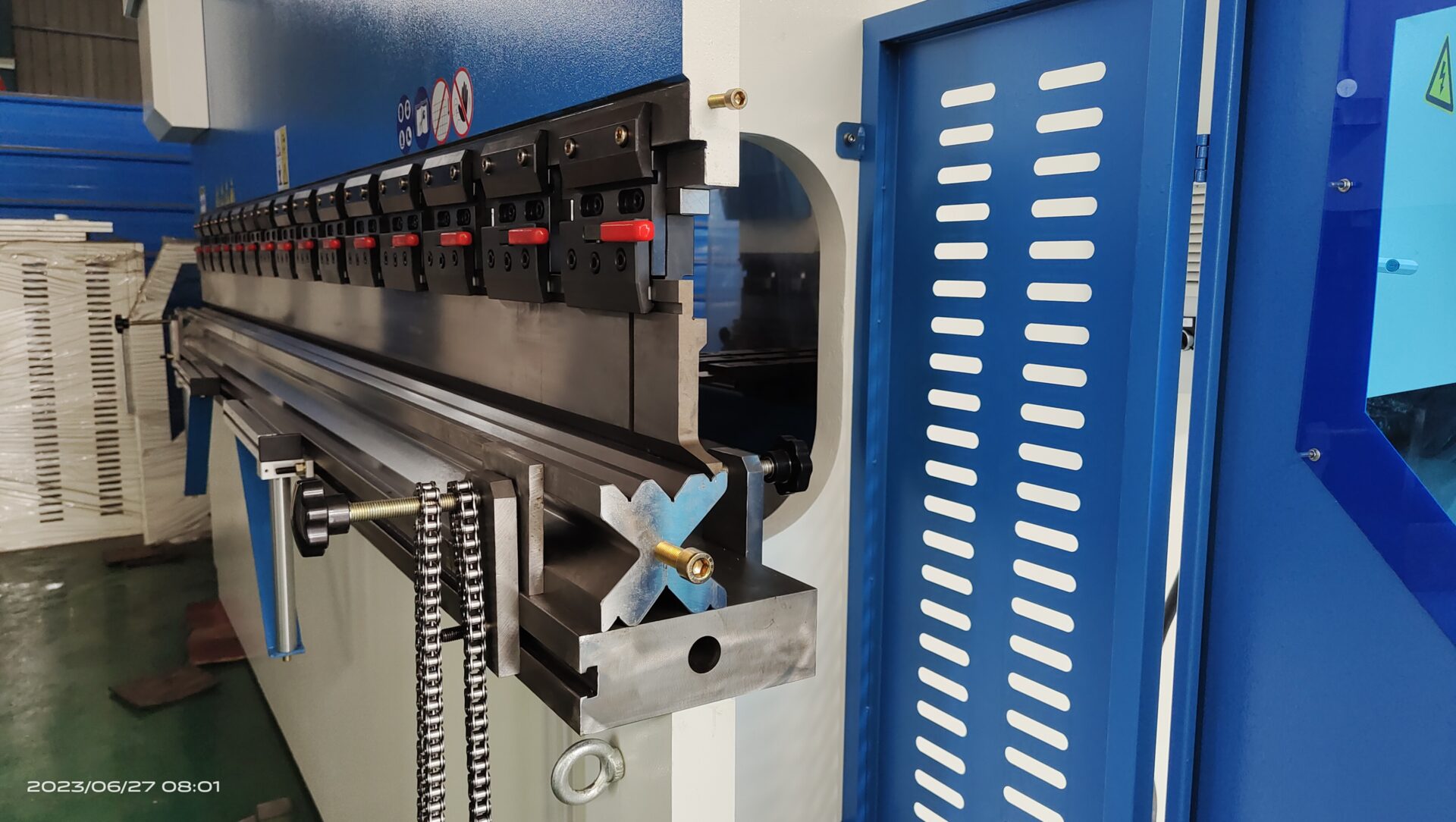
One of the most important parts of press brake tooling is the V-die. By keeping the material while the punch applies force, these dies are employed to create the bends. The bend angle and radius are decided by the die’s V-shaped profile. To manage a range of material types and thicknesses, V-dies are available in a variety of sizes and configurations.
2. Punches
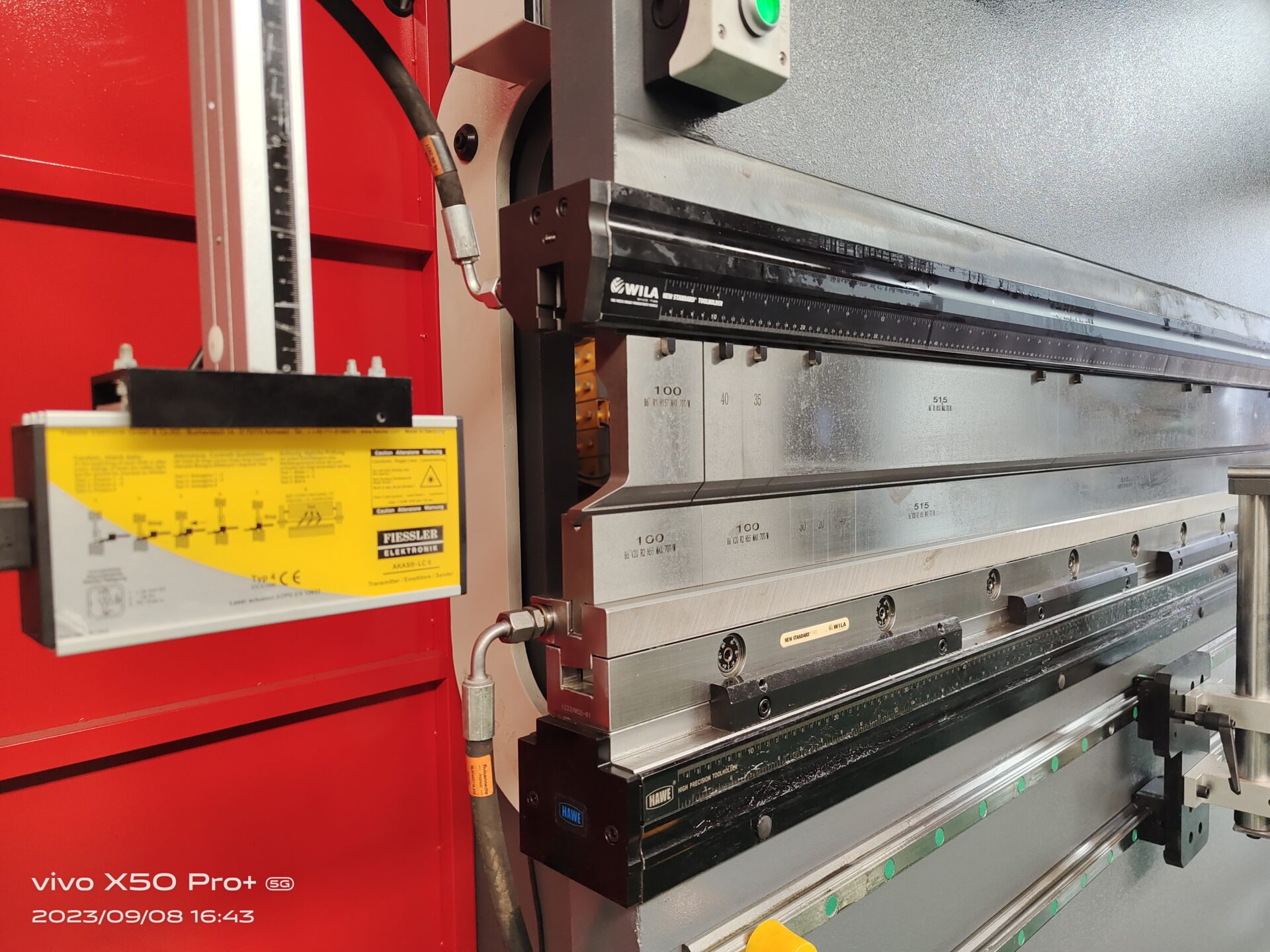
In contrast to dies, punches are used to exert force on the material while it is being bent. Depending on the kind of bend that is needed, punches come in a variety of sizes and forms. Hemming punches, single V-punches, and multi-V-punches are common punch types. To get the proper bend, punches are usually used in conjunction with V-dies.
3. Gooseneck Tooling
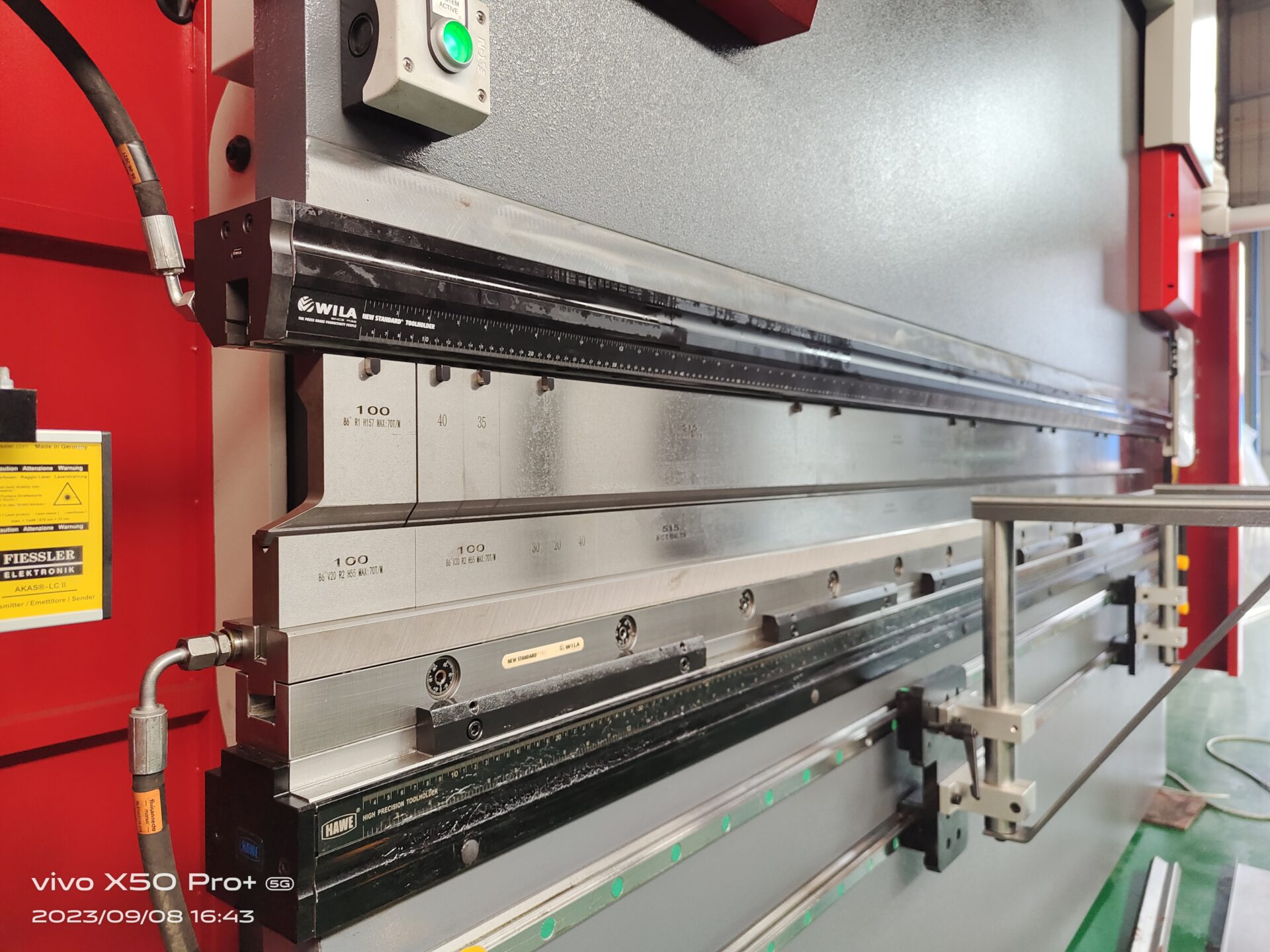
Deep bends or pieces with narrow interior radii are bent using gooseneck tooling. These tools include a characteristic gooseneck shape, allowing the punch to reach portions of the material that are difficult to access with standard tooling.
Factors to Consider When Choosing Press Brake Tooling
1. Material Type and Thickness
When selecting press brake tooling, one of the most crucial considerations is the material you’re working with. The qualities of various materials (such as brass, aluminum, stainless steel, and mild steel) influence how they bend. Since it dictates how much power is needed to bend the material, the thickness of the material is equally significant. Material Type: Depending on their characteristics, certain materials may need specialist tools or are more likely to break. For instance, because stainless steel is harder than softer materials like aluminum, it could require a more durable punch and die system. Material Thickness: Stronger tooling that can sustain more force is needed for thicker materials. For efficient handling of these materials, you might need larger or more robust dies and punches. Consideration: To avoid early wear and guarantee precision, always make sure the tooling you choose is proper with the kind and thickness of material you want to work with.
2. Bend Angle and Radius
Crucial elements that affect the accuracy of your produced pieces are the bend angle and radius. Different bend radii and angles are managed by diverse types of tooling. It is crucial to consider when choosing. Bend Angle: Certain tools, like V-dies, are made to manage bend angles. The ultimate result of the bend will depend on the die’s size and form. Bend Radius: The bend’s radius is just as significant. For instance, different tooling is needed for severe bends compared to mild or wide-radius bends. For tight bends, specialty tooling—like gooseneck tooling—is often used. Consideration: To guarantee precise, clean bends free of material distortion, select tooling that satisfies the project’s necessary bend standards.
3. Tooling Compatibility with Press Brake Machine
For seamless operation, make sure the tooling you select is proper for your press brake machine. Not every equipment is made to fit every machine, and press brakes come in a variety of sizes and styles. Machine specs: Your press brake’s dimensions and tonnage ability should match the equipment you want to employ. For instance, bigger dies may be needed for a large hydraulic press brake than for a smaller mechanical press. Machine Control: Make sure your tooling is compatible with the machine’s control system if you’re using a CNC press brake. More correct tooling is often needed for CNC machines, and the machine’s capabilities should be taken into consideration while selecting it. Consideration: Make sure the tooling is made to fit your press brake model by always consulting the machine’s specs. This will reduce problems like tool wear and misalignment.
4. Precision and Tolerances
Your choice of tooling will depend on how precise your bending process must be. While certain projects could allow for greater flexibility, others would require strict standards. For example, CNC press brakes are renowned for their extreme accuracy, and the tooling used must take this requirement into account. Tolerances: High-precision tooling that can sustain steady performance over time is necessary to meet tight tolerances. Better-fitting dies and punches that guarantee less variation are common components of precision tooling. Material handling: Because thin materials are more likely to be damaged during bending, high-precision tooling is especially crucial.
5. Tooling Durability and Maintenance
One crucial factor to consider while choosing press brake tooling is durability. A longer lifespan and fewer replacements are possible with high-quality tooling since it can lessen wear and strain. To guarantee the long-term efficacy of tools, routine maintenance is also crucial. Durability: Long-term performance and longevity are enhanced by tooling composed of premium materials like tungsten carbide or high-strength steel. Maintenance Requirements: Tools must be simple to clean and keep. The tooling’s lifespan may be increased and the expenses related to frequent replacements can be decreased with proper maintenance. Consideration: To perfect tool longevity and performance, select long-lasting tooling materials and make sure your team has proper maintenance procedures in place.
6. Production Volume and Speed
Your choice of tooling should also be influenced by the operation’s needed speed and production volume. Tooling that is more robust and made for speedier setups and cycle times can be something you want to think about for high-volume operations. High-Volume Production: Press brakes that are hydraulic or mechanical and with high-speed tooling could be more proper for production settings that move quickly. Additionally, productivity can be increased using quick-change dies and punches. Low-Volume or bespoke Bending: Although more expensive, more adaptable tooling (like CNC equipment) may be needed for low-volume or bespoke operations to accommodate a variety of bending angles and forms. Consideration: To prevent bottlenecks and downtime, match tooling to the volume and speed needs of your production.
7. Cost Efficiency
While high-quality tooling can offer long-term savings through reduced wear and fewer replacements, it is essential to balance quality with cost. Consider the following. Initial Cost: Although higher-quality instruments may cost more up front, they often last longer and require fewer replacements over time. Long-Term Cost: Consider the whole cost of ownership, which includes upkeep, repairs, and lost productivity. Consideration: To make an educated choice that strikes a balance between operational requirements and financial limitations, evaluate the tooling’s first and ongoing expenses.
8. Supplier Reliability and Support
For operations to run smoothly, selecting a trustworthy supplier that can offer top-notch tools and support is crucial. A trustworthy vendor ought to provide. Technical Support: Downtime may be greatly decreased by having access to professional guidance and help with tool setup, maintenance, and troubleshooting. Quality Assurance: Verify that the tooling supplied by the supplier satisfies industry standards and is supported by guarantees or warranties. After-Sales support: You can keep the efficiency of your production by collaborating with suppliers who provide prompt replacements for damaged tools and attentive after-sales support. Consideration: Collaborate with vendors who are well-known for offering top-notch customer service and high-quality tools.
Adange
- High dynamic for higher productivity of the machine.
- Compliance with EU Directives.
- Lower energy for a green Machine.
- Energy efficiency of up to 35 % compared to conventional systems.
- Operating cost is min due to low energy consumption. Thus, it gives advantages to the user with high efficiency & low operation cost.
The machine working video: https://youtu.be/_WJeqRwkFKM